
Cat Treats
Discover the potential of the Cat Treats segment! By promoting treats as a fun, healthy way to bond with cats, we can enhance the shopping experience, welcome more buyers, and grow the category.
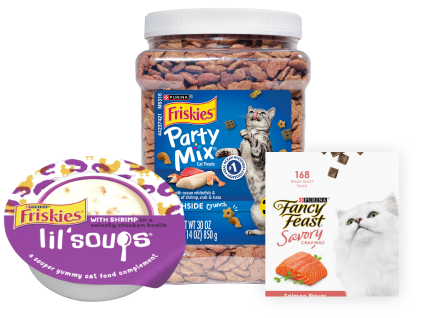

Cat Treats
Understanding Shopper Decision Trees in Retail Shelving
Shopper decision trees (SDTs) provide valuable insights into how shoppers browse products and prioritize their choices. By understanding the hierarchy of what is most important to shoppers, we can enhance the shopping experience.
While SDTs serve as a guiding framework for organizing the retail shelf, they are not meant to be followed rigidly. Instead, they should be used to make the shopping experience more intuitive and convenient for the customer. By referencing SDTs, we can ensure that products are arranged in a way that aligns with shopper priorities, facilitating easier and more satisfying shopping journeys.
Decision 1:
Form
Decision 2:
Brand or Benefit
Decision 3:
Package Type or Container
Decision 4:
Package Size

Challenges Shoppers Face in Navigating the Aisle and Finding Cat Treats
By understanding these challenges, retailers can take steps to simplify the shopping experience, making it easier for customers to find and choose the right products.
Best Practices
for Retail Shelving
Click on a tactic to learn more
- Cross-Purchase Connections
- Simple Navigation
- Wide Variety
- Highlight Popular & Unique Options
- Emphasize Fun and Benefits
Link cat treats with dry food, wet food, and litter sections to encourage cross-category shopping.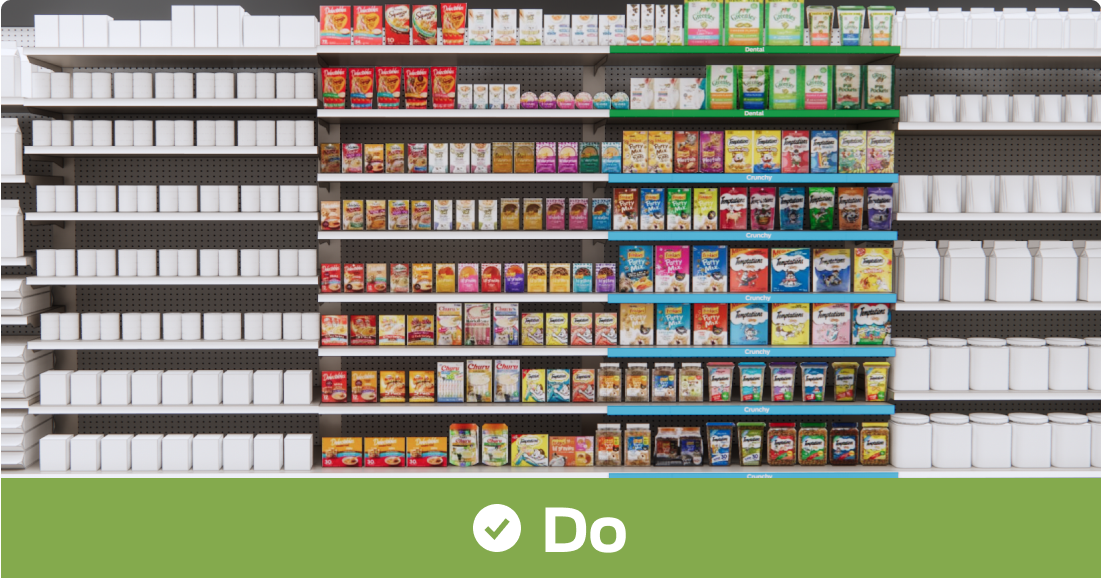
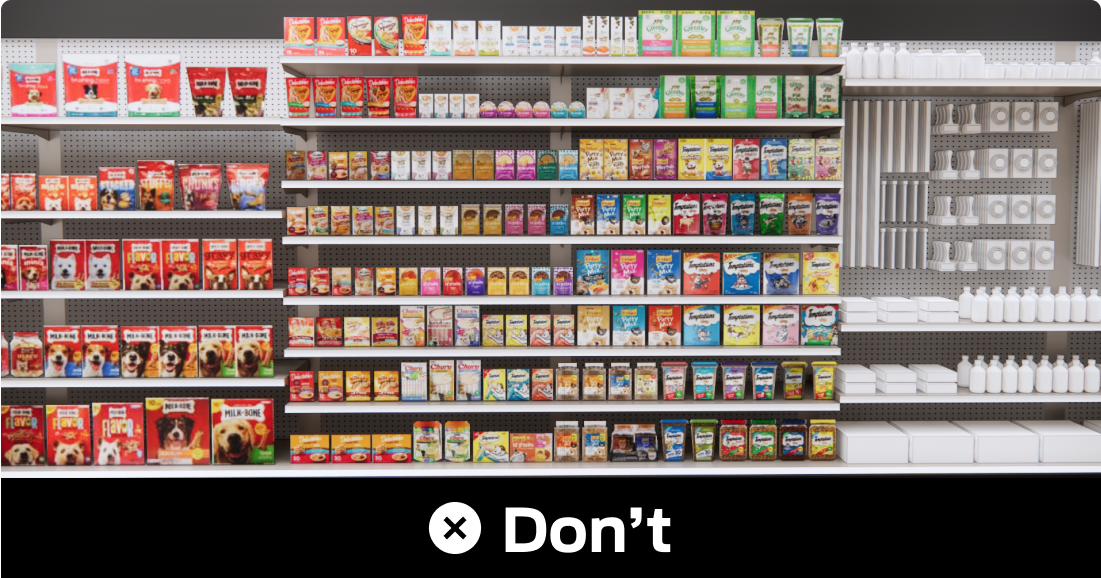
Organize shelves clearly for easy product discovery.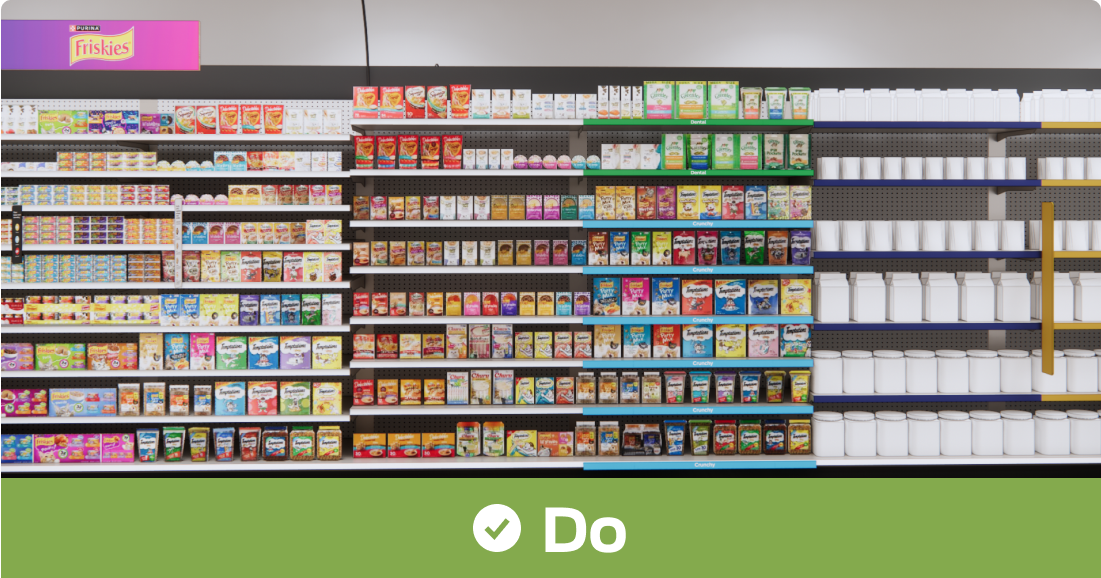
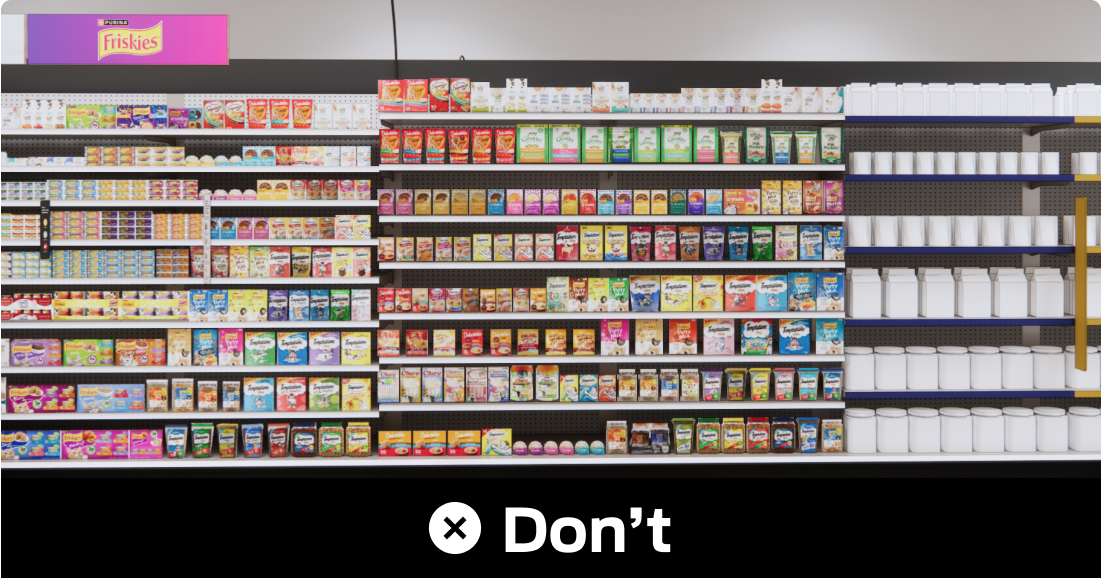
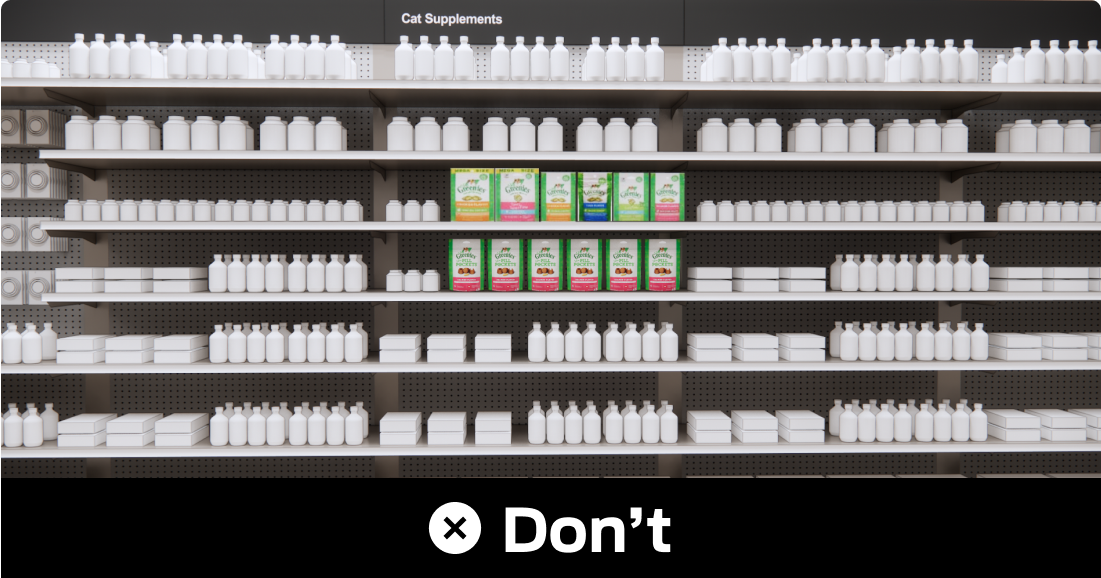
Offer a range of treat forms, brands, proteins, flavors, textures, and packaging to satisfy diverse preferences.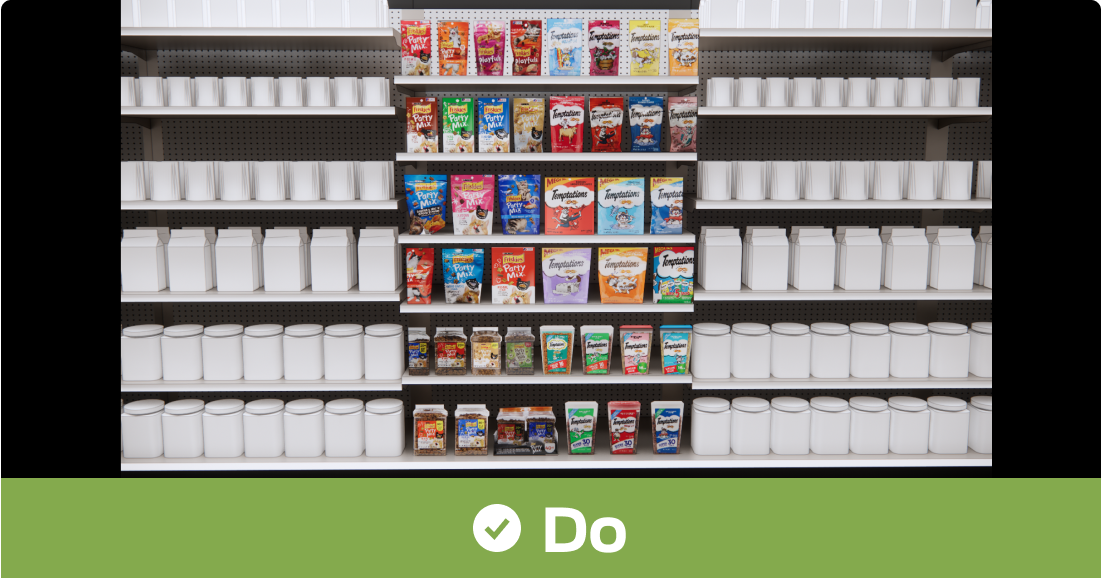
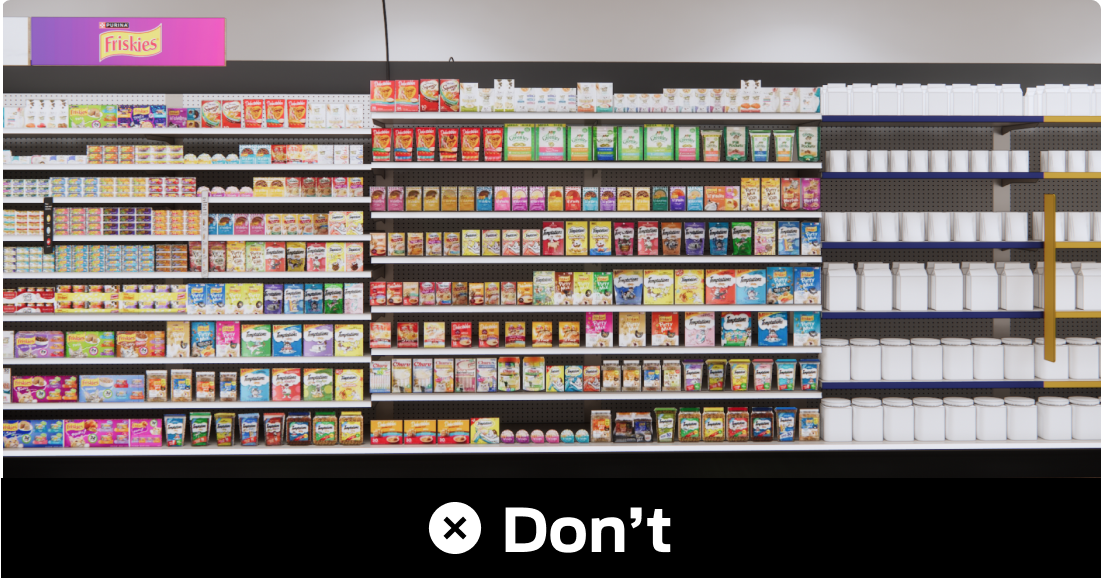
Feature high-growth items and easy-to-use packaging, like liquid treats and stay-fresh packs.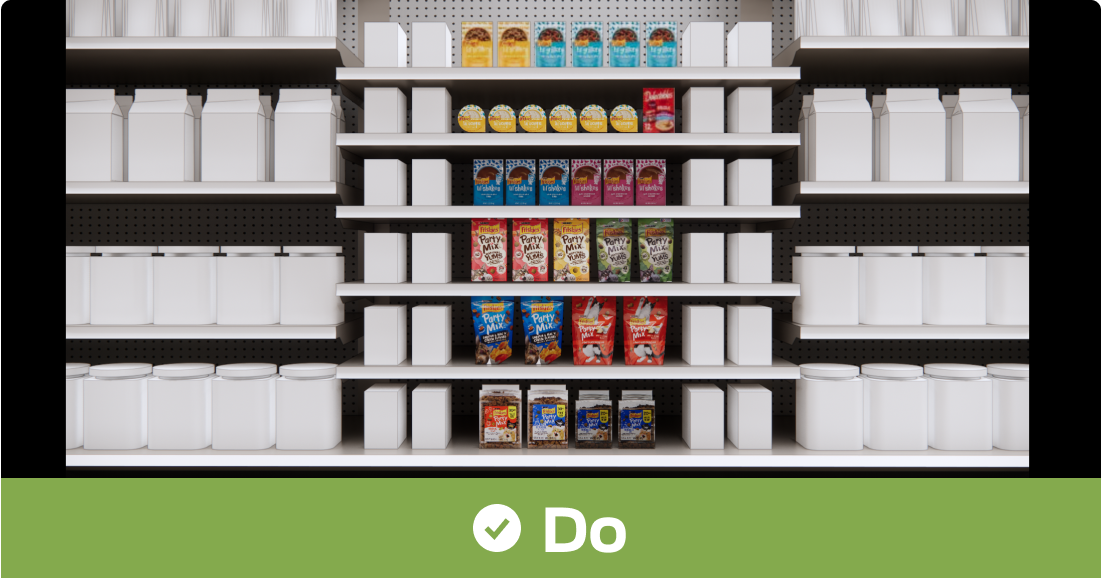
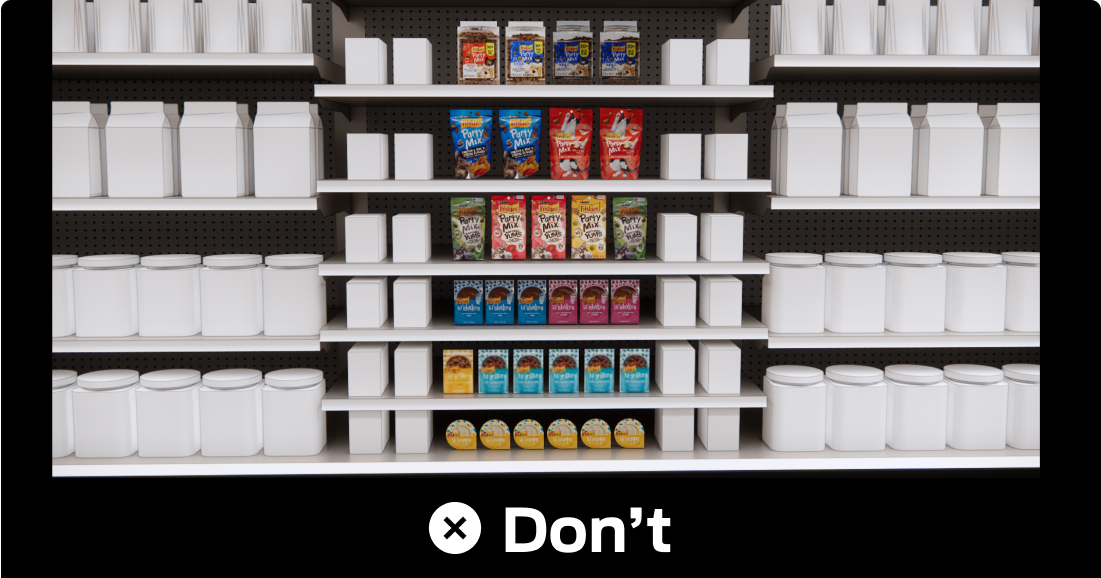
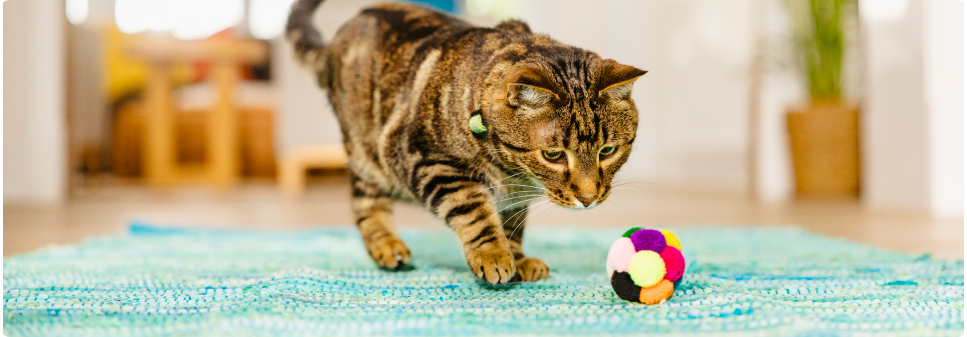
Encourage shoppers to explore treats for play, health benefits, and variety beyond basic nutrition.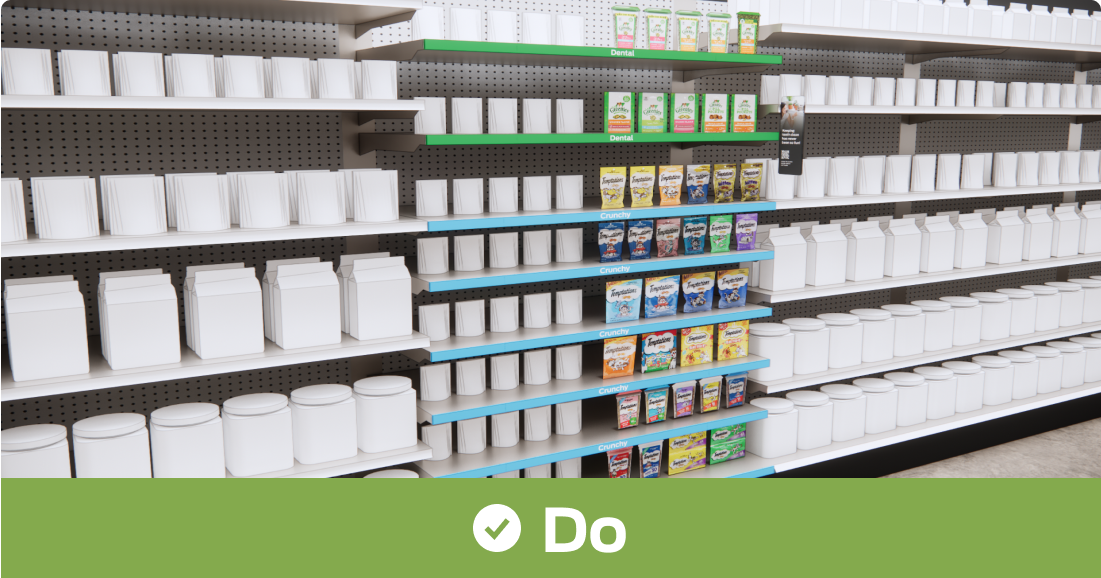
Optimizing Fulfillment Methods for Cat Treats
Cat Treats Fulfillment – 1
Shoppers prefer to buy cat treats in-store where they can see and touch the products. Place treats near dry and wet cat food to encourage cross-purchasing. Organize the shelf by brand, form, flavor, and package type for easy navigation. Use secondary placements to spark impulse buys.
Cat Treats Fulfillment – 2

Make it easy for shoppers to find cat treats from the main pet care page. Use filters that match how they shop—by form, brand, flavor, and more. Include links to treats within other cat food segments to boost visibility.
Cat Treats Fulfillment – 3
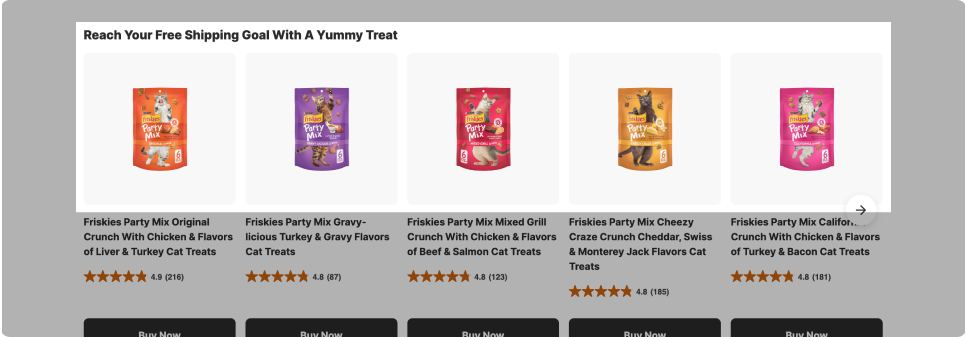
Suggest treats as add-ons to help shoppers meet free shipping minimums when they buy items like dry cat food, enhancing the cart value.
Cat Treats Fulfillment – 4
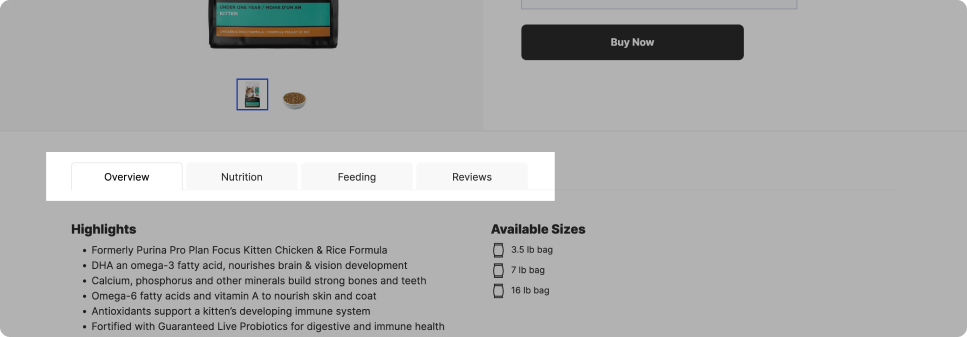
Since shoppers can’t touch or see treats online, provide clear descriptions, images, videos, and reviews to build trust.
Cat Treats Fulfillment – 5
Encourage shoppers to add treats to grocery delivery orders for a convenient, basket-building option.
Cat Treats Fulfillment – 2
Make it easy for shoppers to find cat treats from the main pet care page. Use filters that match how they shop—by form, brand, flavor, and more. Include links to treats within other cat food segments to boost visibility.
Cat Treats Fulfillment – 3
Suggest treats as add-ons to help shoppers meet free shipping minimums when they buy items like dry cat food, enhancing the cart value.
Cat Treats Fulfillment – 4
Since shoppers can’t touch or see treats online, provide clear descriptions, images, videos, and reviews to build trust.
Cat Treats Fulfillment – 5
Encourage shoppers to add treats to grocery delivery orders for a convenient, basket-building option.
Cat Treats Fulfillment – 3
Suggest treats as add-ons to help shoppers meet free shipping minimums when they buy items like dry cat food, enhancing the cart value.
Cat Treats Fulfillment – 4
Since shoppers can’t touch or see treats online, provide clear descriptions, images, videos, and reviews to build trust.
Cat Treats Fulfillment – 5
Encourage shoppers to add treats to grocery delivery orders for a convenient, basket-building option.
Cat Treats Fulfillment – 4
Since shoppers can’t touch or see treats online, provide clear descriptions, images, videos, and reviews to build trust.
Cat Treats Fulfillment – 5
Encourage shoppers to add treats to grocery delivery orders for a convenient, basket-building option.
Cat Treats Fulfillment – 5
Encourage shoppers to add treats to grocery delivery orders for a convenient, basket-building option.
Utilizing the PLUS Framework for the Cat Treats Segment
By leveraging these areas of the PLUS framework, retailers can effectively enhance their cat litter segment, attracting new customers, broadening product appeal, encouraging premium purchases, and increasing overall consumption.

Welcome:
Target New
Households
Welcome: Encourage Cat Food Buyers to View Cat Treats as a Necessity
Cat treats have much lower penetration than dog treats. Encourage cat owners, especially those buying dry or wet cat food, to see treats as an essential item for welcoming a new cat—just as they would for a dog!
Raising cat-treating households by 27% to match dog treat penetration could add $711M to the category.

Broaden:
Expand the Definitions of Traditional Segments
Broaden: Encourage Shoppers to Buy New Forms
Encourage shoppers to add liquid treats to their usual crunchy purchases, as cat treats have traditionally been solid.
If 20% of crunchy treat buyers also bought one liquid treat per trip, it could add $100M to the category.

Upgrade:
Educate Trade Consumers to Higher Price Tiers
Upgrade: Offer a Variety of Larger Sizes and Elevated Items
Offer a variety of treat types and sizes, encouraging shoppers to try larger packs or premium options.
If each current buyer of small treat bags (0–3 oz) replaced one purchase per year with a large canister (16 oz+), it could add $188M to the category.

Expand:
Strategies & Tactics to Increase Consumption of Current Consumers
Expand: Offer Bundle Promotions and Encourage Shoppers to Try Multiple Flavors
Place similar cat treat items together to encourage bundle purchases and make it easy for shoppers to add more to their baskets. Suggest buying different flavors to satisfy their cats' preferences.
If each current cat treat buyer purchased one additional item per year, it could generate an $11M increase.